

For a lot of women, Menopause arrives quietly. Restless nights, sudden flushes of heat, frequent mood swings – all these signs seem to come from nowhere and can be confusing at first. You can feel like your body is running on a completely different rhythm, a different schedule.
It is often difficult to identify the symptoms and get back in ease with your body. This is exactly where Ayurveda offers something different. It doesn’t treat Menopause as a problem that needs to be managed; rather, it sees it as a natural transition phase. With Ayurvedic support for Menopause, you can ease the symptoms. It demands the right rhythm, food, and daily habits.
In this blog, we’ll walk through these areas – what really happens to a woman’s body during Menopause, why modern lifestyle makes it harder, and how simple Ayurvedic principles can help you feel steadier, calmer, and more like yourself again.
Understanding Menopause the Ayurvedic Way
In Ayurveda, good health is centred on the balance of three doshas – Vata, Pitta, and Kapha. During Menopause, hormone levels fluctuate, and the body has to adjust to it. Vata becomes more active. This shift influences a lot of factors – sleep, energy levels, physical and emotional resilience.
The signs are broadly common, but still, every woman’s experience is different. When you follow Ayurveda for hormonal balance, you don’t manage the symptoms individually; you understand your unique constitution to restore balance and maintain your overall wellbeing.
The Ayurvedic perspective on Menopause includes:
- Menopause isn’t an illness; it’s a natural stage of women’s lives.
- The experience of hormonal changes is not the same for every woman.
- Symptoms are managed when you restore hormonal balance.
- Personalised diet, habits, and daily routine – these are all essential to maintain a balanced state.
- The goal is to establish long-term wellbeing, not to manage symptoms for the short term.
The thing is, irregular routine, inadequate rest, processed food, chronic stress – these are very common in today’s world, which makes it even more challenging for women to adapt to the changes they go through during Menopause.
Because every woman’s body responds differently, a personalised approach works better than general advice. This is why, at Ayurveda Consult, we don’t have a one-size-fits-all approach; we assess individuals through AI-powered analysis, combining ancient Ayurvedic wisdom with modern wellness interpretation.
Common Signs That Your Hormones May Be Out of Balance
As hormone levels shift during Menopause, the body responds in different ways. Some common signs include:
- You find it hard to settle into sleep.
- Sleep feels light and is broken easily.
- You get frequent mood swings.
- There is a sense of irritability and low motivation.
- Bloating and digestive problems become part of everyday life.
- You get dry eyes and dry skin.
- Mental fog makes it hard to concentrate.
Recognising these changes early is important so that you can make the ideal lifestyle adjustments to support hormonal balance. Book an Ayurvedic women’s health consultation Gosford to better understand your body’s changing needs and get personalised recommendations.
Ayurvedic Support for Menopause to Balance Your Hormones
The good news is that restoring balanced hormonal levels during Menopause is not difficult. It doesn’t need big changes; instead, it can be achieved through small, consistent habits to see a real difference.
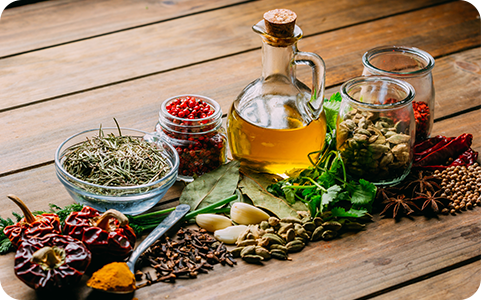
- Nourishing Food: Choose freshly cooked, warm meals over cold, raw, and frozen meals. You can add some warming spices such as fennel, cinnamon, and cumin to your diet for better digestion and to settle an aggravated Vata.
- Steady Routine: Waking, eating, and sleeping – everything in your daily routine must have fixed timings. Irregularity affects hormones significantly
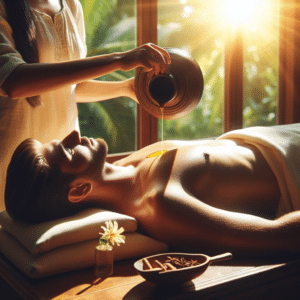
- Gentle Self-Care: Ayurveda talks about some self-care practices. One of them is Abhyanga – massaging oil on your body before taking a shower. It is an excellent way to calm Vata and get peaceful sleep.
- Mindful Movement: Gentle stretching, walking, and Yoga – these are all effective for improved circulation and better mood, and can help your body to comfortably adapt to the changes of Menopause.
- Calm Mind: Include some simple breathing exercises in your routine – start spending some quiet moments before bed – and that’s how you can ease mental restlessness caused by hormonal fluctuations.
None of these is a quick fix; these are habits that can guide your body gently back towards its natural rhythm. An Ayurvedic doctor Central Coast can help you understand your unique constitution after an assessment, and guide you with personalised solutions.
Building Sustainable, Long-Term Wellness after Menopause
You don’t have to try everything all at once, or focus on perfection from the very beginning. Consistency is what matters when you want to see the results. You can fix a routine that you can realistically maintain – that’s the most effective approach.
If you get Ayurvedic support for Menopause, it will mainly focus on encouraging a lifestyle that is ideal on all levels.
- Recognise patterns that disrupt hormonal balance
- Understand how diet, sleep, and daily habits work together
- Make gradual adjustments instead of sudden, drastic changes
- Develop habits that remain practical for the long term
To explore our lifestyle, constitution, and wellness goals, you can book an Ayurvedic consultation Central Coast. You need to follow practices that are perfect for the symptoms you are experiencing.
Menopause doesn’t have to feel overwhelming. To stay in a balanced state, the first thing you need is to understand the changing needs of your body and to adapt to them. This is where Ayurveda Consult helps with detailed assessments and expert consultations. You can get meaningful insights into your health and navigate the changes better, with a plan that is designed around you.
Frequently Asked Questions
1. What are the first signs of Menopause?
As hormone levels start to fluctuate, early signs can show up as disturbed sleep, frequent mood changes, sudden hot flushes, irregular periods, low energy, difficulty concentrating, and overall health problems.
2. Why do Menopause symptoms vary from one woman to another?
The symptoms depend on lifestyle and stress level, health, and many other factors that are different for every woman. This influences how hormonal changes are experienced during Menopause.
3. How does Ayurveda support hormonal balance during Menopause?
Ayurveda guides through personalised nutrition, fitness, and stress management that bring hormonal balance during Menopause.
4. Which foods are recommended in Ayurveda during Menopause?
Ayurveda generally encourages warm, freshly prepared meals that are nourishing to the body. Whole foods, healthy fats, and gentle warming spices are recommended to support digestion and health.
5. What lifestyle changes can help manage Menopause naturally?
Prioritising adequate sleep, maintaining fixed timings in daily routine, staying active, managing stress, and eating balanced meals – these are some important lifestyle changes Ayurvedic experts suggest.